
Education & Resources
PEMF Learning Center
PEMF doesn’t have to be complicated. Our Learning Center makes it easier to understand how PEMF works and how it may support recovery, mobility, relaxation, healthy aging, and everyday wellness. Explore practical guides, research, articles, videos, and system information designed for both home and professional use, whether you’re just discovering PEMF or ready to learn more.
Where Would You Like to Start?
Find Your PEMF Path
Patients
For people exploring PEMF for recovery, wellness, mobility, relaxation, healthy aging, and home use.
ExploreAthletes & Stunt Professionals
For athletes, stunt professionals, performers, and active adults interested in PEMF for recovery, mobility, muscle relaxation, and demanding physical routines.
ExplorePractitioners & Clinics
For practitioners and clinics interested in professional PEMF systems, education, applications, and resources.
ExplorePEMF Research
The Science Behind PEMF
PEMF has been studied for decades across a range of biological processes and applications. Explore published research by topic, with key findings explained in clear, understandable language.
25+
Published Studies & Reviews
9
Research Categories
10
Human Clinical Studies
Start Here
PEMF 101
Everything you need to understand pulsed electromagnetic field therapy — clearly explained, without the jargon.
What Is PEMF?
PEMF stands for Pulsed Electromagnetic Field therapy. It is a non-invasive wellness technology that delivers brief, repetitive pulses of electromagnetic energy to the body. These pulses are designed to mimic the natural electromagnetic frequencies found in nature and within the body itself.
Every cell in the human body carries an electrical charge. When cells are stressed, injured, or fatigued, their electrical charge can become disrupted. PEMF therapy delivers gentle electromagnetic pulses that may help restore healthy cellular activity, support the body's natural recovery processes, and promote overall wellness.
PEMF is not a new concept. Electromagnetic therapy has been studied for decades, and certain PEMF devices have received FDA clearance for specific medical applications, including bone healing and pain management. Today, PEMF is widely used in wellness, sports recovery, and professional health settings.
How Pulsed Electromagnetic Fields Interact with the Body
When PEMF pulses pass through the body, they interact with cells, tissues, and fluids at a biological level. The electromagnetic pulses may influence ion movement across cell membranes, which plays a role in cellular energy production, circulation, and the body's natural repair processes.
Cellular Energy
PEMF may support the production of ATP — the primary energy currency of cells — helping cells function more efficiently.
Circulation
Electromagnetic pulses may support healthy blood flow and oxygen delivery to tissues throughout the body.
Muscle Relaxation
PEMF may help muscles relax after physical activity, reducing tension and supporting recovery.
Mobility & Joint Comfort
Regular PEMF use may support joint comfort and flexibility, making it popular among active adults and older individuals.
Recovery
By supporting cellular activity and circulation, PEMF may help the body recover more efficiently from physical exertion.
Relaxation & Nervous System Support
Lower PEMF frequencies may support the parasympathetic nervous system, promoting relaxation and restful sleep.
Frequency, Intensity & Session Length
PEMF systems deliver pulses at specific frequencies (measured in Hertz, or Hz) and intensities (measured in Gauss or Tesla). Different frequencies are associated with different biological effects — lower frequencies are often used for relaxation and sleep support, while higher frequencies may be used for energy and recovery.
Intensity refers to the strength of the electromagnetic field. More intensity is not always better — the right intensity depends on the individual, the area being targeted, and the intended wellness goal. Professional-grade systems offer adjustable intensity settings to accommodate different needs.
Typical PEMF sessions range from 8 to 30 minutes, though session length varies by system, individual, and wellness goal. Many people use PEMF daily as part of a consistent wellness routine.
Full-Body Mats vs. Targeted Coils
Full-Body PEMF Mats
A full-body mat delivers PEMF across the entire body simultaneously. Mats are ideal for general wellness, relaxation, circulation support, and whole-body recovery. You simply lie on the mat during your session.
Targeted PEMF Coils
Coils allow PEMF to be directed to specific areas of the body — a knee, shoulder, lower back, or any area of focus. Targeted coils are especially useful for athletes, active adults, and anyone who wants to concentrate PEMF on a particular muscle group or joint.
What to Expect During a PEMF Session
Most people find PEMF sessions comfortable and relaxing. Depending on the system and settings used, you may notice a gentle pulsing or tingling sensation, mild warmth, or simply a sense of relaxation. Many people feel nothing at all during the session and simply notice how they feel afterward.
Experiences vary from person to person. Some individuals notice a difference after their first few sessions, while others find that benefits build gradually with consistent use over days or weeks. Jodi is available to help you understand what to expect and how to get the most from your PEMF system.
Going Deeper
Understanding PEMF: Frequency, Intensity & Application
Once you understand what PEMF is, the next step is understanding how the settings and delivery method affect your experience. These are the variables that matter most.
Understanding PEMF Frequency
PEMF frequency refers to the number of electromagnetic pulses delivered each second and is measured in Hertz (Hz). For example, a setting of 10 Hz delivers 10 pulses per second.
Frequency is one of several factors that influence a PEMF session. Intensity, waveform, pulse duration, coil design, placement, and session length also matter. There is no single frequency that is automatically "best" for every person or every goal.
Lower Frequencies
Lower-frequency settings are commonly available on PEMF systems and may be selected for different wellness or relaxation-focused applications depending on the system and its intended use.
Higher Frequencies
Some PEMF systems provide a broader range of frequency settings. Frequency should be considered together with intensity, waveform, placement, and the particular equipment being used.
Frequency Is Only One Variable
Two PEMF systems operating at the same frequency can still deliver very different electromagnetic exposures because intensity, waveform, pulse characteristics, and coil design may differ.
More Isn't Always Better
A higher frequency or stronger intensity does not automatically mean a better PEMF session. Settings should be selected according to the equipment, intended application, and manufacturer guidance.
PEMF + Brainwave Entrainment
Understanding Brainwaves & Brainwave Entrainment
The brain naturally produces patterns of electrical activity that can be measured with an EEG. These patterns are commonly grouped into frequency bands called Delta, Theta, Alpha, Beta and Gamma.
Different brainwave patterns are associated with different states of sleep, relaxation, attention and cognitive activity.
Brainwave entrainment uses rhythmic stimulation with the goal of encouraging neural activity toward particular rhythmic patterns. Research into brainwave entrainment is ongoing, and results vary depending on the type of stimulation, frequency, individual and study design.
PEMF Frequency vs. Brainwave Frequency
PEMF frequency and brainwave frequency are related concepts involving frequency, but they are not the same thing.
PEMF frequency describes how frequently electromagnetic pulses are delivered by a PEMF system.
Brainwave frequencies describe naturally occurring patterns of electrical activity measured in the brain.
When a system combines PEMF with a brainwave-entrainment component, these should be understood as distinct technologies rather than assuming that every PEMF frequency corresponds directly to a particular brainwave state.
Delta
Approximately 0.5–4 Hz
Associated with:
- Deep sleep
- Very low-arousal states
- Restorative sleep states
Mind:
Delta activity is most strongly associated with deep, slow-wave sleep.
Body:
Because deep sleep is an important period for normal physical restoration and recovery, Delta is often discussed in connection with restorative sleep states.
Theta
Approximately 4–8 Hz
Associated with:
- Drowsiness
- Deep relaxation
- Meditative states
- Memory-related processes
Mind:
Theta activity is commonly observed during drowsiness and certain meditative or deeply relaxed states. Theta activity also plays roles in memory-related brain processes.
Body:
A relaxation-focused brainwave session may be used as part of a broader rest and wellness routine.
Alpha
Approximately 8–13 Hz
Associated with:
- Relaxed wakefulness
- Eyes-closed resting states
- Calm attention
- Transition between active thinking and deeper relaxation
Mind:
Alpha activity is strongly associated with relaxed wakefulness, particularly when a person is resting with their eyes closed.
Body:
Alpha-oriented sessions may be incorporated into relaxation or stress-management routines.
Beta
Approximately 13–30 Hz
Associated with:
- Alert wakefulness
- Active thinking
- Attention
- Problem solving
- Mental engagement
Mind:
Beta activity is commonly present during active thinking, concentration and mentally engaged states.
Body:
Beta is primarily discussed in relation to alertness, attention and cognitive activity rather than physical healing or cellular energy.
Gamma
Approximately 30 Hz and above
Associated with:
- Higher-frequency neural activity
- Sensory processing
- Attention
- Information integration
- Complex cognitive activity
Mind:
Gamma activity has been studied in connection with perception, attention and integration of information across brain networks.
Body:
Research into Gamma-frequency stimulation and neurological applications is an evolving area of science.
How Brainwave Entrainment Is Used
Brainwave entrainment generally involves rhythmic stimulation intended to interact with the brain's natural oscillatory activity. Research has explored auditory, visual and other forms of rhythmic stimulation in this context.
Scientific findings are mixed, and brainwave entrainment should not be understood as a proven treatment for medical or psychiatric conditions. It is most accurately described as a wellness and relaxation-oriented technology that some people incorporate into a broader routine.
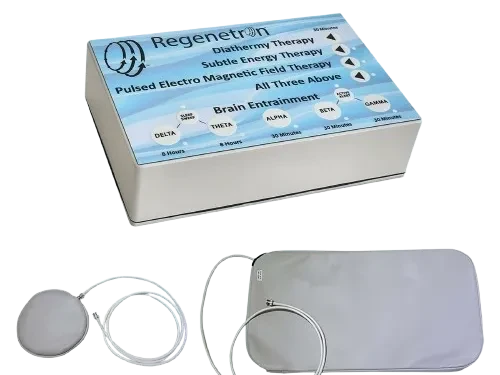
When Might Someone Explore Brainwave Entrainment?
People explore brainwave entrainment for a variety of personal wellness and lifestyle interests, including:
These programs are not intended to diagnose, treat or cure insomnia, anxiety, depression, ADHD, dementia, neurological disorders, chronic pain or any other medical condition.
The Mind-Body Connection
Sleep, relaxation, attention and mental state are connected with overall well-being. The combination of PEMF and brainwave entrainment allows a person to explore two different aspects of a wellness routine:
PEMF
Physical wellness and recovery support through pulsed electromagnetic fields.
Brainwave Entrainment
Relaxation, meditation, focus and different mental-state experiences through rhythmic stimulation.
Understanding PEMF Intensity — Why Stronger Is Not Always Better
Intensity refers to the strength of the electromagnetic field, typically measured in Gauss or Tesla. It is one of the most misunderstood aspects of PEMF — and one of the most important to get right.
Low Intensity (Earth-Level)
Low-intensity PEMF — in the range of the Earth's natural magnetic field — is often used for relaxation, sleep support, nervous system wellness, and sensitive individuals. The body responds to subtle electromagnetic signals; high intensity is not required for a meaningful response.
Higher Intensity
Higher-intensity PEMF is used for deeper tissue penetration, targeted physical recovery, and professional clinical applications. It is not inherently "better" — it is a different tool for different goals. Starting at lower intensities and adjusting based on response is generally recommended.
The key principle: The goal is to find the intensity that produces a beneficial response for your body — not to use the highest setting available. Many experienced PEMF users find that lower intensities are more comfortable and equally effective for their wellness goals.
Full-Body Mats vs. Targeted Coils
PEMF can be delivered through a full-body mat or through targeted coils. These are not competing approaches — they serve different purposes and many users benefit from both.
Full-Body Mat
- Delivers PEMF across the entire body simultaneously
- Ideal for general wellness, relaxation, and systemic circulation support
- Convenient for daily sessions — lie down and let the system work
- Well-suited for sleep support, stress reduction, and whole-body recovery
- Best for users who want a simple, consistent daily wellness routine
Targeted Coils
- Concentrate PEMF on a specific area — knee, shoulder, back, hip, etc.
- Ideal for targeted joint and muscle support after physical activity
- Allow precise placement for focused recovery and comfort
- Useful for athletes, active adults, and anyone with a specific area of focus
- Can be used alongside a mat for combined whole-body and targeted sessions
What to Expect During a PEMF Session
First-time PEMF users often wonder what a session actually feels like. The experience varies depending on the system, frequency, and intensity — but here is what most people report.
During the session
Most people feel little or nothing during a PEMF session — particularly at lower intensities. Some notice a mild tingling, warmth, or gentle pulsing sensation. Higher-intensity sessions may produce a more noticeable physical sensation.
Session length
Typical sessions range from 8 to 30 minutes. Many users start with shorter sessions and gradually increase duration as they become familiar with how their body responds.
After the session
Many people report feeling relaxed, calm, or refreshed after a PEMF session. Some notice improved sleep when using PEMF in the evening. Individual responses vary.
Consistency matters
Like most wellness practices, PEMF tends to be most beneficial when used consistently over time — not as a one-time event. Many users incorporate PEMF into a daily or several-times-per-week routine.
The Science of Wellness
How PEMF Supports the Body
PEMF supports the body's own natural processes. It does not treat or cure disease. Instead, it works with the body by supporting the cellular environment where many of its natural functions take place. Here is how PEMF may work with your body's biology.
Cellular Energy (ATP Production)
Cells produce energy through a process that involves ATP (adenosine triphosphate). Research suggests that PEMF may support mitochondrial function and ATP production, helping cells operate more efficiently. Healthy cellular energy is foundational to virtually every biological process in the body.
Healthy Circulation
PEMF may support microcirculation — the movement of blood through the smallest vessels in the body. Healthy circulation is essential for delivering oxygen and nutrients to tissues and removing metabolic waste products.
Natural Recovery
By supporting cellular activity and circulation, PEMF may help the body recover from physical exertion, minor tissue stress, and the demands of daily activity. Many athletes and active adults use PEMF as part of their regular recovery routine.
Mobility & Flexibility
PEMF may support joint comfort and flexibility, which is particularly relevant for active adults, older individuals, and anyone who wants to maintain mobility as part of a healthy lifestyle.
Muscle & Joint Comfort
PEMF is widely used to support muscle relaxation and joint comfort. Targeted coil placement allows PEMF to be directed to specific areas of the body where comfort and recovery are most needed.
Relaxation
Lower PEMF frequencies — particularly those in the Delta and Theta ranges — may support the parasympathetic nervous system, which governs the body's rest-and-recovery state. Many people use PEMF in the evening to support relaxation.
Sleep & Nervous System Support
Research is exploring how PEMF may support sleep quality and nervous system regulation. Some individuals report improved sleep when using PEMF consistently, particularly at lower frequencies.
Healthy Aging
Maintaining cellular energy, circulation, mobility, and recovery capacity becomes increasingly important as we age. PEMF is popular among older adults who want to support an active, comfortable lifestyle.
Physical Performance
Some athletes use PEMF before physical activity to support circulation and cellular readiness, and after activity to support recovery. PEMF is not a performance-enhancing drug — it is a wellness tool that supports the body's natural processes.
Post-Exercise Recovery
PEMF may help the body recover from the physical demands of exercise by supporting circulation, reducing muscle tension, and promoting cellular repair processes. It can be incorporated into a post-workout routine.
Important: PEMF is a wellness technology. It supports the body's own natural processes and is not intended to diagnose, treat, cure, or prevent any disease or medical condition. Individual results vary. Consult your healthcare provider before beginning any new wellness program.
A Rich History
The History of PEMF
From early discoveries in electricity and magnetism to modern clinical applications — the story of PEMF spans more than a century of science and innovation.
Late 1800s
The Foundations: Electricity, Magnetism & the Body
The scientific groundwork for PEMF begins with the work of Michael Faraday, who demonstrated electromagnetic induction in 1831, and Nikola Tesla, whose research in the late 1800s explored alternating electromagnetic fields and their potential biological effects. Tesla was among the first to suggest that electromagnetic energy could interact with living tissue — a concept that would take decades to develop into practical therapy.
1930s–1950s
Early Therapeutic Applications
By the mid-20th century, researchers were actively exploring the use of electromagnetic fields in medicine. Early applications focused on bone healing and tissue repair. Georges Lakhovsky and Royal Rife conducted controversial but influential research into the relationship between electromagnetic frequencies and biological organisms. While much of this early work was not rigorously validated, it laid the conceptual foundation for later clinical research.
1960s–1970s
Bone Healing Research & the First FDA Clearance
The modern era of PEMF research began in earnest in the 1960s and 1970s, when orthopedic researchers — including Dr. Andrew Bassett at Columbia University — demonstrated that pulsed electromagnetic fields could stimulate bone healing in non-union fractures. This research led directly to the first FDA clearance of a PEMF device for bone healing in 1979. It was a landmark moment: electromagnetic therapy had moved from fringe science to regulated medicine.
1980s–1990s
Expanding Research & Cellular Science
Through the 1980s and 1990s, PEMF research expanded beyond bone healing into cellular biology, pain management, and soft tissue repair. Researchers began investigating how electromagnetic pulses interact with cell membranes, ion channels, and ATP production. Studies explored PEMF's potential role in reducing inflammation, supporting circulation, and accelerating tissue repair. NASA conducted research into PEMF for astronaut health and tissue regeneration during this period.
2000s–2010s
Consumer Systems & Mainstream Wellness
The 2000s brought professional-grade PEMF systems to the wellness market. As manufacturing improved and research continued to accumulate, PEMF moved from hospital settings into sports medicine, integrative health clinics, and home wellness. Athletes, practitioners, and wellness-focused individuals began incorporating PEMF into recovery and health maintenance routines. Additional FDA clearances followed for pain management and post-surgical recovery applications.
Today
PEMF in Modern Wellness & Regenerative Medicine
Today, PEMF is used by athletes, wellness practitioners, integrative medicine physicians, and individuals seeking to support their health at home. Research continues into PEMF's potential role in regenerative medicine, neurological health, sleep, and healthy aging. Professional-grade systems — like those offered by PEMF Therapy Solutions — bring decades of research and engineering into practical, accessible wellness tools.
Want to go deeper? Download the full PEMF History document in the Downloadable Resources section below, or explore the Practitioners page for a more detailed look at PEMF science and clinical applications.
Your Questions Answered
PEMF Frequently Asked Questions
Everything you want to know about PEMF therapy — from how it works to how to get started.
Q:What is PEMF?
PEMF stands for Pulsed Electromagnetic Field therapy. It is a non-invasive wellness technology that delivers brief, repetitive pulses of electromagnetic energy to the body, designed to support cellular activity, circulation, recovery, and overall wellness.
Q:How does PEMF work?
PEMF delivers electromagnetic pulses that pass through the body and interact with cells and tissues at a biological level. The pulses may influence ion movement across cell membranes, support ATP (cellular energy) production, promote circulation, and encourage the body's natural recovery processes.
Q:What are the potential benefits of PEMF?
People use PEMF to support cellular energy, healthy circulation, muscle relaxation, joint and muscle comfort, mobility, flexibility, post-exercise recovery, relaxation, sleep, and healthy aging. Research into PEMF is ongoing, and individual results vary.
Q:What does PEMF feel like?
Most people find PEMF sessions comfortable and relaxing. Depending on the system and settings, you may notice a gentle pulsing or tingling sensation, mild warmth, or simply a sense of relaxation. Many people feel nothing at all during the session.
Q:How often can I use PEMF?
Many people use PEMF daily as part of a consistent wellness routine. The appropriate frequency depends on the individual, the system, and the wellness goal. Jodi can help you develop a routine that fits your needs.
Q:How long is a typical PEMF session?
Typical PEMF sessions range from 8 to 30 minutes, though session length varies by system, individual, and wellness goal.
Q:What is the difference between a PEMF mat and a PEMF coil?
A full-body PEMF mat delivers electromagnetic pulses across the entire body simultaneously and is ideal for general wellness, relaxation, and whole-body recovery. A PEMF coil is a targeted applicator that allows you to direct PEMF to a specific area of the body.
Q:Can athletes use PEMF?
Yes — PEMF is widely used by athletes and active adults to support recovery, reduce muscle tension, and maintain mobility. It can be incorporated before or after physical activity as part of a regular wellness and recovery routine.
Q:Can PEMF be used at home?
Yes — professional-grade PEMF systems are available for home use. PEMF Therapy Solutions offers personal guidance to help you choose the right system and use it with confidence.
Q:Are there any contraindications for PEMF?
PEMF is not recommended for individuals with implanted electronic devices (pacemakers, cochlear implants, insulin pumps, etc.), during pregnancy, or for individuals with active bleeding or certain cancers. Consult your healthcare provider before using PEMF if you have any medical conditions.
The Science
Understanding PEMF Research
PEMF has been studied for decades for its effects on cellular activity and the body’s natural biological processes. Here’s a closer look at what the research has explored and what we’re learning about PEMF, wellness, and recovery.
Established Medical Applications
- Bone growth stimulation for certain established nonunions
- Bone growth stimulation for certain fresh fractures
- Support for certain lumbar and cervical spinal fusion procedures
- Certain post-operative pain and edema applications
- Temporary relief of certain minor muscle and joint aches and pain
FDA clearance or approval applies to specific medical devices for specific indications. It does not mean that all PEMF devices, including consumer wellness PEMF systems, are FDA-cleared or approved for these uses.
Areas of PEMF Research
- Cellular activity and energy-related processes
- Circulation and microcirculation
- Inflammation-related biological processes
- Bone health
- Musculoskeletal recovery
- Pain-related research
- Nerve and neurological function
- Tissue and recovery processes
PEMF research varies widely by device, frequency, intensity, waveform, treatment protocol, and study population. Results from one study or device should not automatically be applied to all PEMF systems.
Emerging Research
- Regenerative medicine and cellular activity
- Neurological and brain-related research
- Sleep and nervous system research
- Cardiovascular and circulation research
- Recovery and rehabilitation research
These areas continue to be studied, and findings may be preliminary or specific to particular devices, protocols, or populations.
General Wellness Uses
- Everyday recovery and wellness
- Relaxation and stress support
- Sleep and nervous system wellness
- Mobility and active living
- Exercise and athletic recovery
- Home wellness routines
These are general wellness applications and should not be interpreted as claims to diagnose, treat, prevent, or cure disease.
How PEMF Is Studied
PEMF is not one single standardized treatment. Research protocols can differ in frequency, intensity, waveform, session length, applicator or device, and the population being studied.
These differences are important when interpreting PEMF research and comparing results from different studies. A finding from one protocol or device type may not reflect what a different system or approach would produce.
An Important Note About PEMF Research
PEMF research spans a wide range of device types, frequencies, intensities, and study populations. Findings from one PEMF device or research study do not automatically apply to every consumer PEMF system.
PEMF Therapy Solutions does not make medical claims. Our systems are wellness tools designed to support the body's natural processes. If you have a medical condition, consult your healthcare provider before beginning any new wellness program.
Making the Right Choice
How to Choose a PEMF System
Not all PEMF systems are the same. Understanding the key differences helps you find the system that is right for your goals, lifestyle, and budget.
Frequency Range
A wider frequency range gives you more flexibility to match the session to your goal — relaxation, sleep, recovery, or cellular energy support. Look for systems that cover the full spectrum from Delta (0.5 Hz) through higher therapeutic ranges rather than fixed single-frequency devices.
Intensity Range
Systems vary widely in intensity — from Earth-level (low Gauss) to high-intensity clinical devices. For home wellness use, a system with adjustable intensity lets you start gently and increase as needed. High intensity is not required for effective wellness use.
Applicators Included
Consider whether the system includes a full-body mat, targeted coils, or both. A system with both applicators gives you the flexibility to do whole-body sessions and targeted applications without purchasing additional equipment.
Build Quality & Warranty
Professional-grade PEMF systems are built to last and backed by manufacturer support. Consumer-grade devices vary significantly in quality. Ask about warranty, manufacturer support, and how long the company has been producing PEMF systems.
Portability
If you travel frequently, perform on location, or want to use PEMF at a training facility, portability matters. Some systems are compact and travel-friendly; others are designed for stationary home or clinic use.
Ease of Use
The best PEMF system is one you will actually use consistently. Look for intuitive controls, clear session guidance, and a system that fits naturally into your daily routine without requiring complex setup.
PEMF at Home vs. Professional Use
Home PEMF Systems
Home PEMF systems are designed for personal wellness use — daily recovery, relaxation, sleep support, and general health maintenance. The key advantage is convenience: recovery support is available whenever you need it, without scheduling an appointment or traveling to a clinic.
- Available whenever you need it — morning, evening, or between sessions
- No appointment required — fits into your existing routine
- Cost-effective over time compared to repeated clinic visits
- Suitable for the whole family, including pets
- Portable options available for travel and on-location use
Professional PEMF Systems
Professional-grade PEMF systems are used by practitioners, clinics, wellness centers, and sports performance facilities. They typically offer a wider frequency and intensity range, more durable construction, and support for multiple users and clinical applications.
- Wider frequency and intensity range for diverse client needs
- Built for high-volume use across multiple clients per day
- Supports a broader range of wellness applications
- Often includes practitioner training and clinical support
- Can be a revenue-generating service in a wellness practice
Not Sure Which System Is Right for You?
Jodi Seidler works with patients, athletes, practitioners, and wellness-focused individuals to find the right PEMF system for their specific goals and lifestyle. There is no one-size-fits-all answer — and a conversation with Jodi is the best way to find the right fit.
Video Library
Watch & Learn
Sometimes PEMF is easier to understand when you can actually see it in action. Our video library includes PEMF demonstrations, system education, coil-placement guidance, practical tips, and answers to common questions.
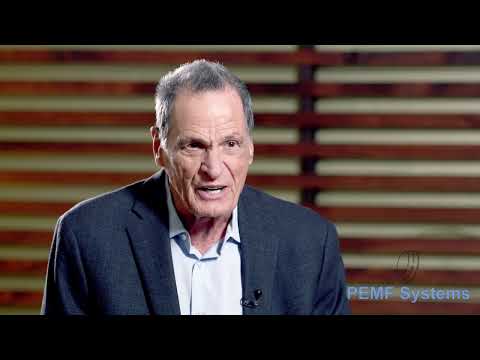
Manufacturer Explains PEMF Therapy
Michael Davis — with over 20 years of experience and a background in physics and electronic engineering — explains the science behind PEMF therapy, including how pulsed electromagnetic fields may support cellular function, circulation, and recovery.
Watch Video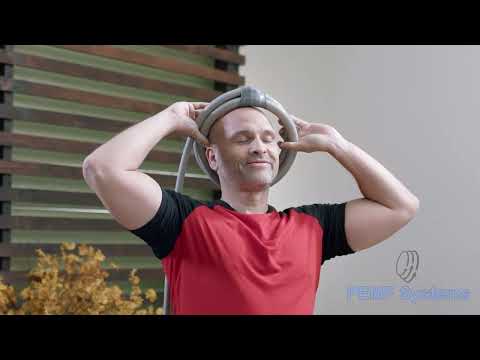
PEMF System Overview & Demonstration
A practical overview of how a professional-grade PEMF system works, including system setup, coil placement, and what to expect during a session.
Watch Video
PEMF Coil Placement & Practical Tips
Learn how to position PEMF coils for targeted applications — covering common placements for the back, joints, and extremities to help you get the most from your system.
Watch VideoPEMF for Pets
See how PEMF therapy can be used with animals — including coil placement, session guidance, and how pets respond to PEMF treatment.
Free Downloads
Downloadable Resources
Explore our downloadable PEMF guides and educational resources. These materials provide additional information about PEMF technology, system operation, coil placement and the history of PEMF.
PEMF Educational Resources
The History of PEMF
A comprehensive introduction to the history and development of Pulsed Electromagnetic Field therapy.
Coil Placement Reference Guide
Visual reference for proper PEMF coil positioning across common areas of the body for targeted sessions.
PEMF System User Guides
Regenetron User Guide
Setup, operation and coil-placement information for the Regenetron PEMF system.
Regenetron 2.0 — 48-HG
Complete user guide for the Regenetron 2.0 professional-grade PEMF and brainwave entrainment system.
PEMF Mini — 800-HDE (Regenetron Mini)
Setup, operation and coil-placement guide for the compact portable PEMF Mini system.
Mini Tote and Desktop Clinic — 1000 Series
User guide covering setup, coil options and session guidance for the Mini Tote PEMF system.
Mini Spark Chamber Pro — 9K-N915
Operation and safety guide for the high-intensity analog spark-gap Mini Spark Chamber Pro system.
Duo Gemini Tote — 2200 Series
User guide for the dual-output Gemini Tote system with independent simultaneous treatment channels.
Regenetron PEMF System (Full Guide)
Comprehensive setup, operation and coil-placement reference for the Regenetron PEMF system.
Keep Exploring
Explore More PEMF Resources
Two additional resources to help you go deeper into PEMF education.
PEMF Research Library
Explore published PEMF research organized by topic — bone health, pain, circulation, neurological research, regenerative medicine, and more. Studies are presented in plain English.
Explore ResearchPEMF for Different Goals
Find PEMF education based on your wellness, recovery, or professional goals — recovery, mobility, sleep, athletic performance, healthy aging, home use, and more.
Find Your Goal